
Shoemaker's Insurance
Coverage that Follows Your Footsteps
Land Insurance in Pennsylvania
Experience easy access to affordable, high-quality Land Insurance in Pennsylvania, Maryland, Delaware, Ohio, Virginia, West Virginia, Florida, Georgia, and Tennessee.
Get your Land Insurance quote below!
Shoemaker’s Insurance | Insurance in Pennsylvania
What Is Land Insurance & Who May Need It?
If you own an empty plot of dirt, a wooded tract, or a cleared lot, you might assume you do not need coverage because there are no buildings on the property. However, vacant property carries significant liability risks. Land Insurance is a specialized type of liability coverage designed to protect landowners from financial ruin if someone gets hurt on their property. Whether you own acreage for hunting, future development, or investment, you face exposure to lawsuits.
In Pennsylvania, landowners can be held responsible for injuries that occur on their property, even if the injured party was trespassing. If a hiker trips over a fallen branch or an unauthorized ATV rider crashes on your acreage, you could face a costly lawsuit. This coverage steps in to pay for legal defense fees, medical bills, and settlement costs. It is essential for anyone who owns acreage that sits empty, as standard homeowners policies rarely extend liability protection to separate, vacant lots. Investors who purchase parcels for future resale, families who inherit rural tracts, and hunters who lease acreage all require this protection. Without it, your personal assets are fully exposed to claims.
By securing a policy, you transfer the risk of ownership to an insurer, allowing you to hold your property with peace of mind. Additionally, if you lease your acreage for agricultural use or timber harvesting, the activities on your property increase your risk profile. Even passive ownership carries risk from natural hazards or attractive nuisances like ponds and creeks that draw unwanted visitors.
What Is a Real-World Example of This Coverage in Action?
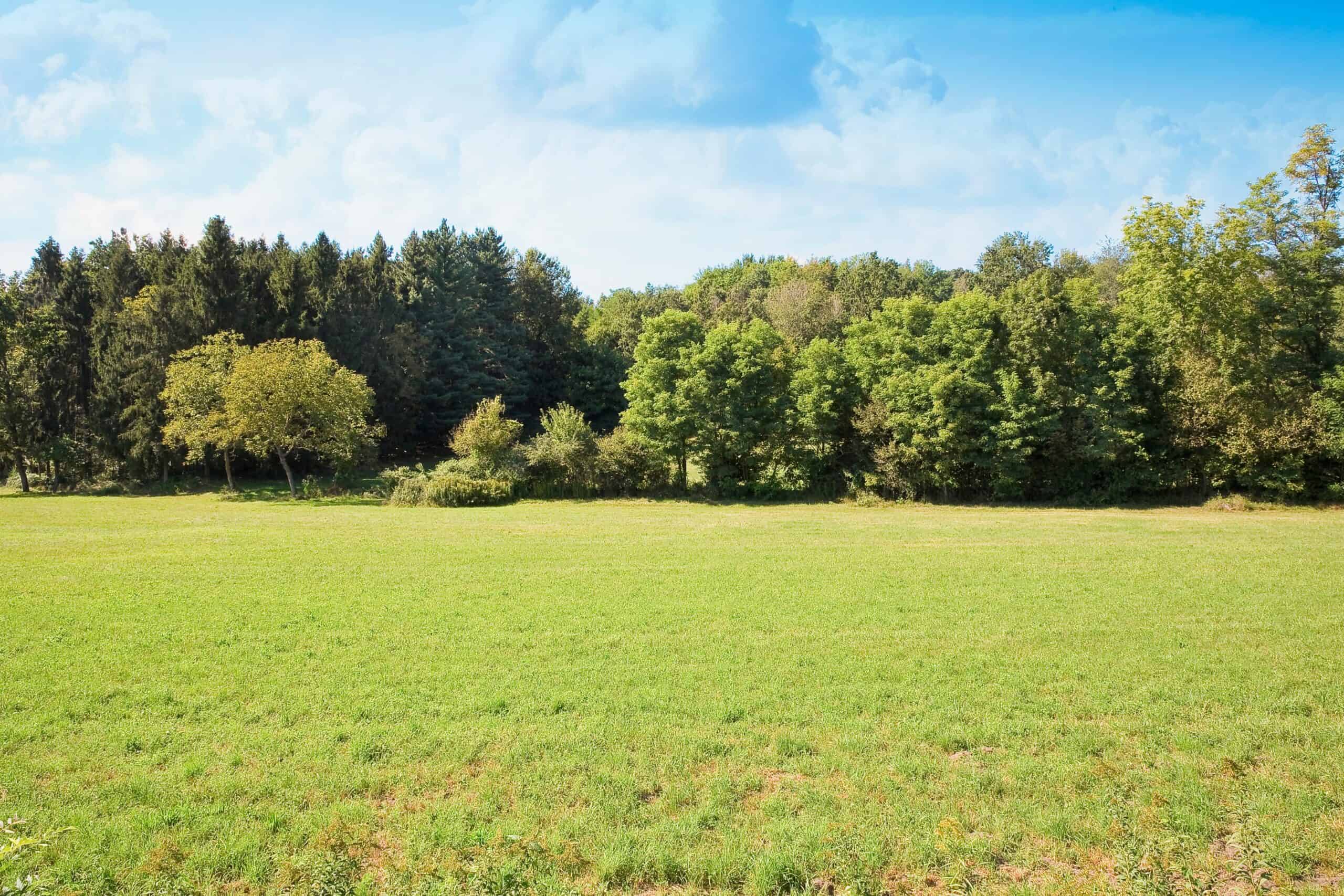
To understand how this protection works, consider a typical scenario in Pennsylvania. A landowner owns thirty acres of wooded property. Although they posted ‘No Trespassing’ signs, local residents frequently use the trails for hiking. During the autumn, a hiker trips over an exposed root, suffers a severe ankle fracture, and sues the owner for failing to maintain safe trail conditions.
Without Land Insurance, the owner would have to pay thousands of dollars out of pocket just to hire a defense attorney. The following data highlights how different property owners utilize this protection and the types of claims processed over the last year. It demonstrates that incidents are more common than many owners realize, particularly during hunting and recreational seasons.
| Owner Type | Acreage Size | Common Claim Type | Average Claim Cost |
|---|---|---|---|
| Recreational Owner | 45 Acres | ATV Accident Injury | $42,000 |
| Timber Investor | 120 Acres | Trespasser Slip and Fall | $28,500 |
| Residential Developer | 5 Acres | Attractive Nuisance Injury | $65,000 |
| Agricultural Lessor | 80 Acres | Property Damage from Runoff | $15,000 |
This data shows that liability claims can arise from various activities. Whether it is an unauthorized recreational vehicle accident or a slip and fall, the financial consequences can be devastating. Securing coverage ensures that legal defense costs and medical settlements do not force you to sell your property to cover the debt. Many owners do not realize that legal defense fees alone can accumulate rapidly, even if a court ultimately dismisses the lawsuit. The policy pays these legal fees directly, protecting your savings from being wiped out by a single lawsuit.
How Much Does Land Insurance Cost?
The cost of protecting your property is highly affordable compared to other types of commercial or residential policies. Insurance companies calculate premiums based on several key factors, including the total acreage, the location, the presence of water or structures, and how you intend to use the property.
For example, land used for active hunting or leased to third parties will carry a higher premium than a completely untouched suburban lot. Below is a pricing table that outlines the typical annual premiums you can expect to pay for vacant property protection based on different risk profiles.
| Property Type | Acreage Range | Risk Level | Estimated Annual Premium |
|---|---|---|---|
| Suburban Vacant Lot | 1 – 5 Acres | Low | $150 – $250 |
| Rural Wooded Acreage | 10 – 50 Acres | Medium | $250 – $450 |
| Recreational/Hunting Land | 50 – 150 Acres | Moderate | $400 – $750 |
| Waterfront Property | 1 – 10 Acres | High | $350 – $600 |
As the table indicates, basic coverage is very budget-friendly. Investing a few hundred dollars a year protects you against claims that could easily reach hundreds of thousands of dollars.
What Limits and Exclusions Should You Consider?
While this policy provides vital liability protection, you must understand its limitations before purchasing. First and foremost, a standard policy only covers liability. It does not cover physical damage to the property itself. For instance, if a wildfire destroys your trees or a flood erodes your soil, the policy will not pay to restore your property. It is strictly designed to protect your financial assets if you are held legally responsible for bodily injury or property damage to a third party.
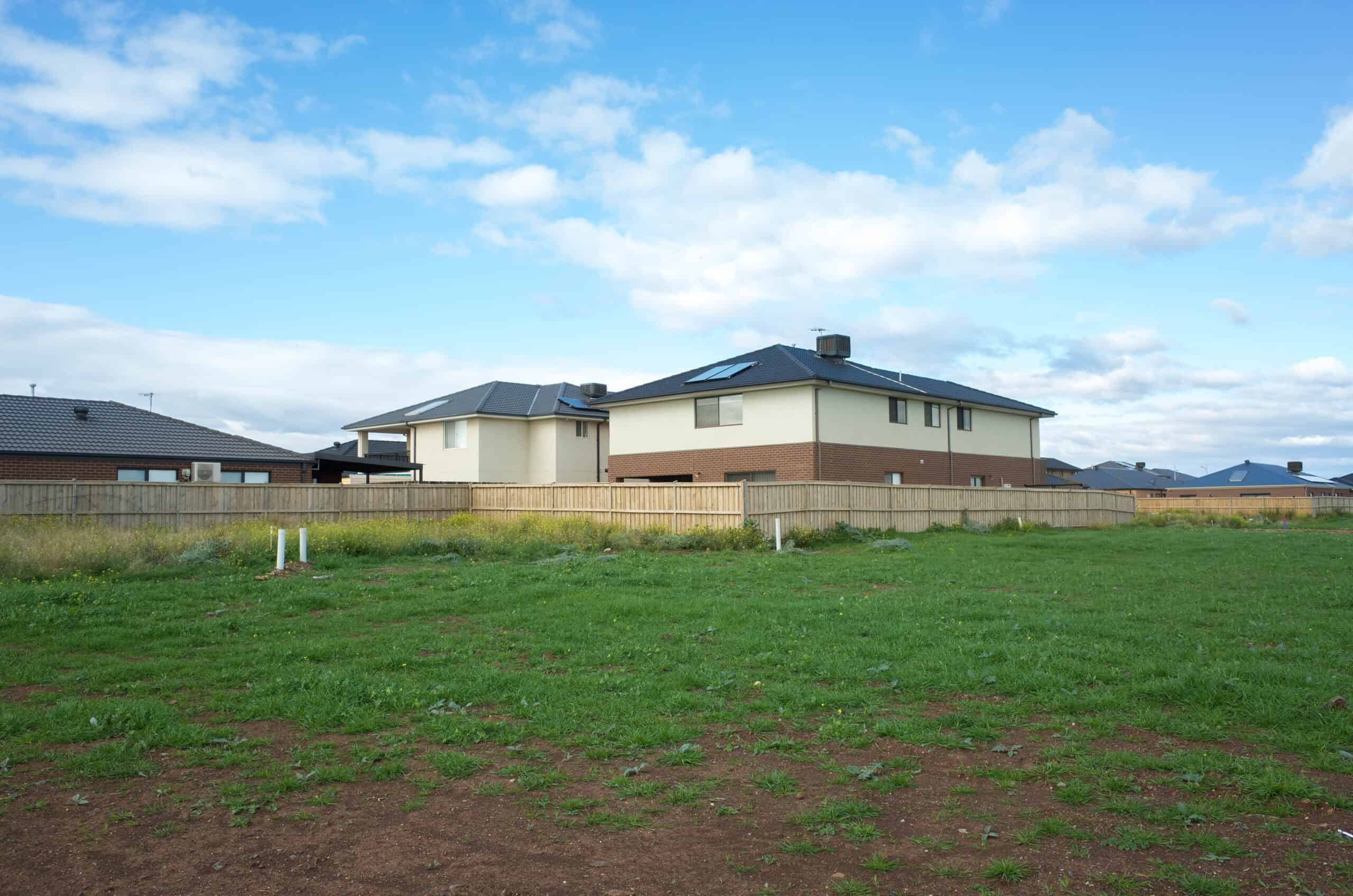
Additionally, any structures on the property can alter your coverage needs. If you build a cabin, a barn, or even a large storage shed, the property is no longer considered vacant. You must notify your insurer to upgrade your policy to a dwelling or commercial property form, as vacant policies exclude structures. Another critical limitation involves commercial activities. If you run a business on the property, host paid events, or harvest timber for profit, a personal vacant land policy will not cover incidents arising from those activities. You will need a commercial general liability policy instead. Finally, environmental damage, such as pollution or hazardous waste contamination, is typically excluded from standard policies and requires specialized environmental liability coverage.
Understanding these boundaries prevents gaps in your protection. Always review the policy definitions of ‘vacant’ and ‘recreational’ to ensure your planned activities align with the policy terms. Failing to disclose hunting leases or water features can result in a denied claim when you need help the most. We recommend discussing your specific plans with an experienced agent who can identify if your property requires additional riders, such as coverage for hunting clubs or specific recreational equipment.
What Other Coverages Should You Combine with It?
To build a robust protection plan, property owners often pair their liability policy with other specialized coverages. This prevents gaps in protection when your property usage changes or when you face risks that standard policies exclude. The table below outlines the most common coverages that owners use in conjunction with their primary policy to ensure complete peace of mind.
| Related Coverage | What It Covers | Why You Need It |
|---|---|---|
| Umbrella Insurance | Excess liability protection beyond primary policy limits | Protects high-net-worth owners from catastrophic lawsuits |
| Builder’s Risk Insurance | Structures under construction and building materials | Essential if you plan to build a home or cabin on the property |
| Timber Insurance | Physical damage to standing timber from fire or wind | Protects commercial timber investments from natural disasters |
| Hunting Lease Liability | Specific liability for hunting activities and guests | Required if you lease your property to hunters or clubs |
By combining these coverages, you can customize your protection to match exactly how you use your property.
What Are the Crucial Statistics for Property Owners in Pennsylvania?
Understanding the broader context of property ownership helps highlight why securing your property is so important. Pennsylvania features vast amounts of privately owned rural and forested acreage, making land disputes and recreational accidents a common concern for local authorities and courts. Let us look at some of the key statistics regarding land use and liability risks across the commonwealth.
| Statistic Category | Data Point | Implication for Owners |
|---|---|---|
| Private Forested Land | Over 11 Million Acres | High exposure to trespassers and recreational users |
| Annual Hunting Licenses Sold | Over 850,000 Licenses | Increased risk of hunting-related incidents on private tracts |
| Average Liability Claim Settlement | $35,000 – $75,000 | Significant out-of-pocket risk without proper coverage |
| Average Cost of Defense Litigation | $15,000 – $30,000 | Legal fees alone can exceed the cost of decades of premiums |
These figures show that land ownership carries real exposure. With hundreds of thousands of outdoor enthusiasts utilizing rural areas every year, the likelihood of someone entering your property, authorized or not, is high. Without Land Insurance, you are personally responsible for managing these risks and paying any legal fees that arise from accidents on your acreage. Furthermore, state laws regarding landowner liability can be complex.
While the Recreational Use of Land and Water Act provides some protection for owners who open their property to the public for free recreation, it does not offer absolute immunity. Lawsuits can still be filed, and you will still need to pay for legal representation to defend your case in court. Having a dedicated policy ensures that your insurance carrier handles the legal defense on your behalf.
Who Is This Coverage Designed for and How Can We Help?
This coverage is designed for individual landowners, family trusts, real estate investors, and hunting clubs who want to enjoy the benefits of property ownership without the constant worry of financial liability. Whether you own a single suburban lot or hundreds of acres of mountain timber, protecting your investment is a smart business decision.
We specialize in helping property owners secure the exact protection they need. In fact, we help over 74 customers with Land Insurance in Pennsylvania every year, matching them with top-tier policies that fit their budgets. Our team understands the unique regional factors that affect your risk, from local recreation laws to seasonal weather hazards.
We make the process simple and stress-free by offering fast, accurate quotes without any sort of obligation. Contact us today to secure your peace of mind and protect your property for years to come. Our experienced agents will review your property details, discuss your plans for the land, and identify any potential risk factors that could impact your premium. We work with multiple highly rated insurance carriers to find you the best rates and coverage options available. You do not have to navigate the complexities of property liability alone. Let us do the heavy lifting so you can focus on enjoying your property, knowing that your personal assets are secure against unexpected claims.